| Medication | Other Names | Uses | Dosage per Weight (approximate) |
|---|---|---|---|
| Gabapentin | Neurontin | Pain management, seizures | 5-10 mg/lb every 8-12 hours |
| Grapiprant | Galliprant | Osteoarthritis pain, inflammation | 0.9 mg/lb once daily |
| Apoquel | Oclacitinib | Allergic dermatitis, itching | 0.18-0.27 mg/lb twice daily for 14 days, then as needed |
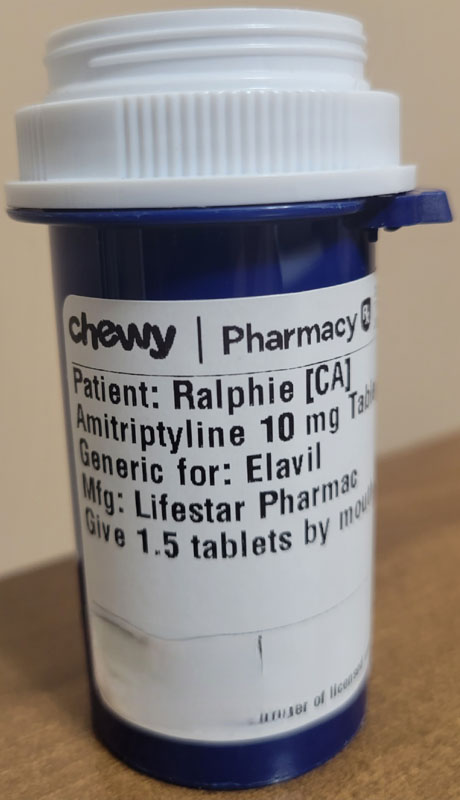
| Amitriptyline | Elavil | Anxiety, pain, behavior modification | 0.5-2 mg/lb once to twice daily |
| Levetiracetam | Keppra | Seizures | 20 mg/lb twice daily |
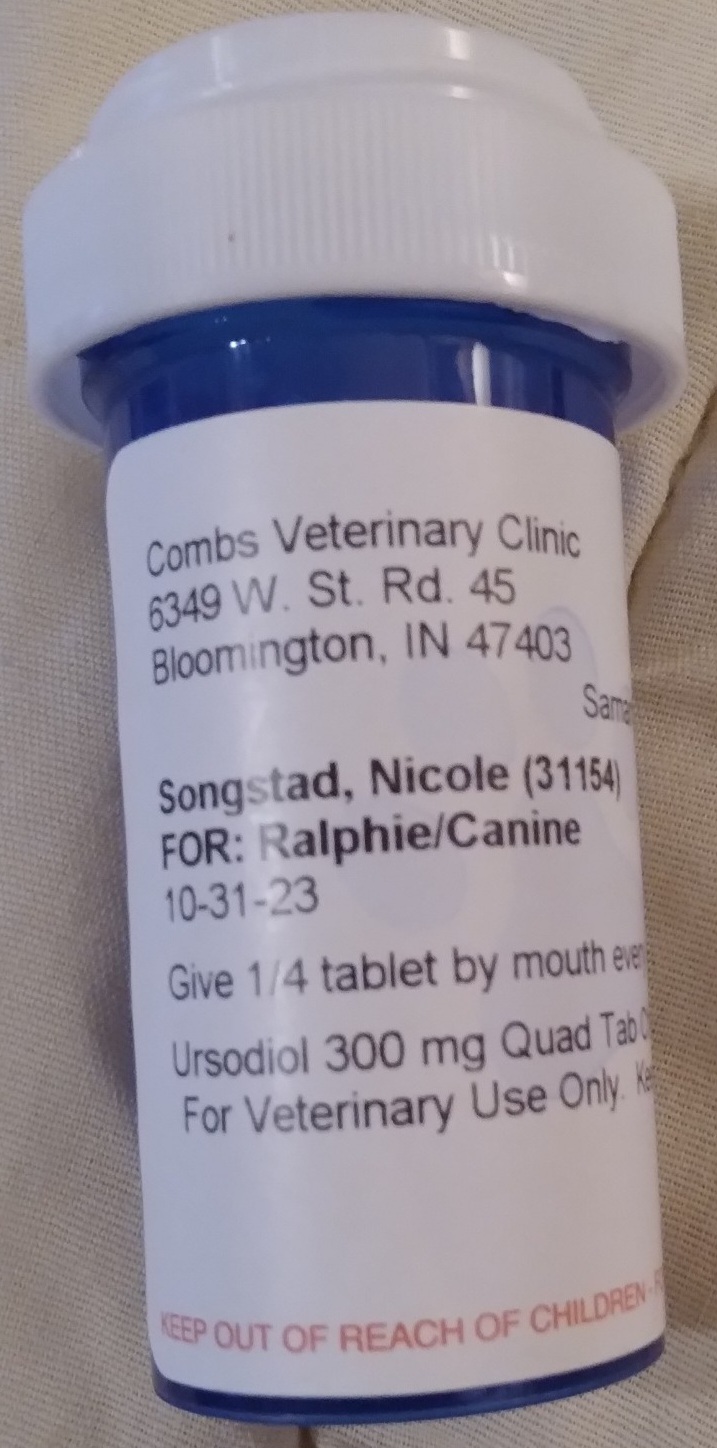
| Ursodiol | Actigall, Urso | Liver support, gallstones | 2-4 mg/lb once daily |
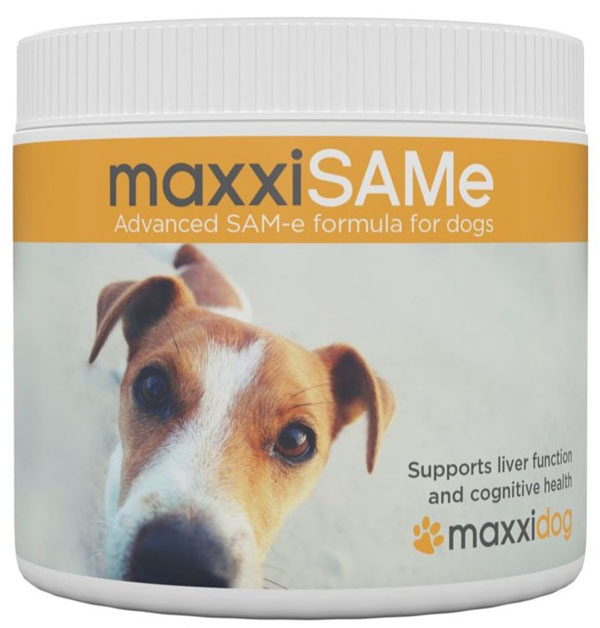
| Maxxi SAMe | S-Adenosylmethionine | Liver support, joint health | 10-20 mg/lb once daily |
| Simethicone | Gas-X | Gas and bloat prevention | 1-2 mg/lb every 8 hours as needed |
| Allergy Antigen Shots | NA | Allergy desensitization | Administered by a veterinarian |
Gastroenteropathy Medications
🔷Ursodiol
💠Ursodiol, commonly prescribed for dogs, is a medication that falls under the category of bile acid modifiers. It is primarily used to treat liver diseases and conditions related to gallstones in dogs. Ursodiol works by promoting the dissolution of cholesterol-based gallstones and reducing the formation of new ones. Additionally, it aids in the improvement of bile flow, which can be crucial for dogs with compromised liver function. Veterinarians may recommend Ursodiol as part of a comprehensive treatment plan for liver disorders, including conditions like chronic hepatitis and certain types of cholangiohepatitis. As with any medication, it’s essential for pet owners to follow their veterinarian’s guidance regarding dosage and administration to ensure the well-being of their canine companions. Regular monitoring and veterinary check-ups are typically advised when Ursodiol is part of a dog’s medical regimen.
🔷Simethicone
💠Simethicone, commonly used for dogs, is an over-the-counter medication that plays a crucial role in managing gastrointestinal issues, particularly excessive gas and bloating. It works by breaking down gas bubbles in the digestive tract, providing relief from discomfort associated with flatulence and abdominal distension. Veterinarians may recommend simethicone for dogs experiencing conditions like gastritis, colitis, or dietary indiscretions leading to gas accumulation. This medication is generally considered safe for dogs, and it is available in various formulations, including chewable tablets and liquid drops. Pet owners should administer simethicone as directed by their veterinarian, and it’s important to seek professional advice before using any over-the-counter medications to ensure appropriate dosage and to rule out any potential interactions with other treatments. As with any health-related concerns, consulting with a veterinarian is paramount to providing optimal care for a dog’s gastrointestinal well-being.

Seizure Medications
🔷Levetiracetam
💠Levetiracetam, commonly known by the brand name Keppra, is an antiepileptic medication that is sometimes prescribed for dogs experiencing seizures. It works by stabilizing electrical activity in the brain, helping to prevent abnormal firing of neurons that can lead to seizures. Levetiracetam is considered an effective and well-tolerated treatment for canine epilepsy, and it may be used alone or in conjunction with other antiepileptic drugs. One notable advantage of levetiracetam is its relatively mild side effect profile, making it a suitable option for long-term use. However, as with any medication, individual responses can vary, and veterinarians carefully determine the appropriate dosage based on a dog’s size, breed, and specific health conditions. Regular veterinary check-ups are essential for monitoring the effectiveness of the treatment and adjusting the dosage if necessary to ensure the best possible seizure control for the dog. Pet owners should follow their veterinarian’s guidance closely and report any unusual changes in their dog’s behavior or health.

🔷Maxxi SAMe
💠Maxxi SAMe is a nutritional supplement designed to support canine joint and liver health. SAMe, or S-Adenosylmethionine, is a compound naturally produced by the body and plays a crucial role in various biochemical processes. In the context of MaxxiSAMe, it is formulated to provide support for dogs experiencing joint issues or liver dysfunction. This supplement is often used to address conditions such as osteoarthritis, as SAMe has anti-inflammatory properties that can aid in reducing joint pain and promoting overall joint function. Additionally, SAMe supports liver function by facilitating the production of glutathione, an essential antioxidant for detoxification processes in the liver. MaxxiSAMe comes in a convenient chewable tablet form, making administration easier for pet owners. As with any supplement or medication, it’s crucial to consult with a veterinarian before introducing MaxxiSAMe to a dog’s routine to ensure proper dosage and assess its suitability based on the dog’s health condition and overall well-being. Regular veterinary check-ups can help monitor the dog’s response to the supplement and adjust the dosage if necessary for optimal results.
Spinal Disease Medications
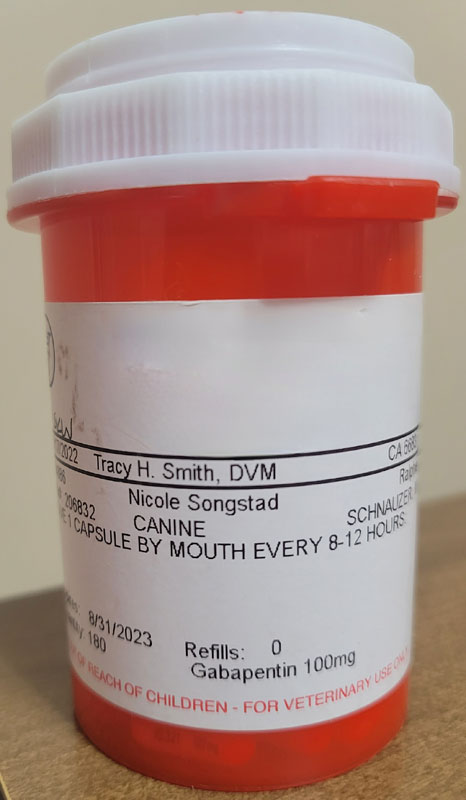
🔷Gabapentin
💠Gabapentin is a medication commonly prescribed for dogs to manage pain and control seizures. It belongs to the anticonvulsant class of drugs but is often used off-label for its analgesic (pain-relieving) properties. Gabapentin works by modulating the activity of certain neurotransmitters in the central nervous system, reducing the transmission of pain signals and stabilizing abnormal electrical activity in the brain that can lead to seizures. In veterinary medicine, Gabapentin is frequently employed in the treatment of chronic pain conditions, including neuropathic pain and arthritis. It may also be part of a comprehensive approach to managing seizures in dogs with epilepsy. The dosage and administration schedule can vary based on the dog’s size, health status, and the specific condition being treated. As with any medication, it is crucial to follow the veterinarian’s guidance, and regular check-ups are recommended to assess the dog’s response to the medication and make any necessary adjustments. It’s essential for pet owners to be aware of potential side effects and report any concerns to the veterinarian promptly to ensure the well-being of the dog.
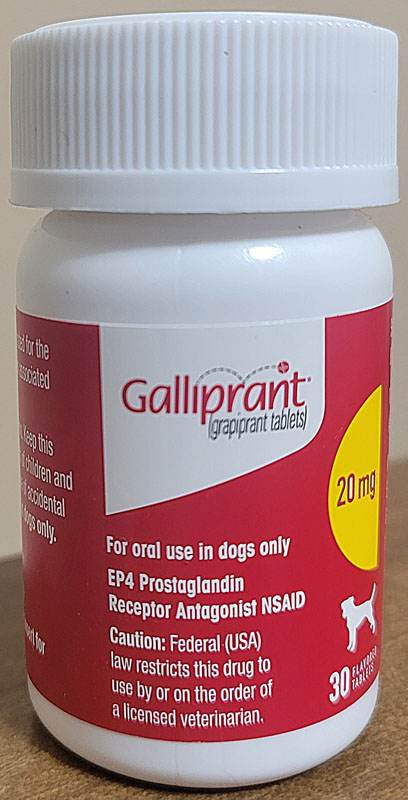
🔷Grapiprant
💠Grapiprant is a medication commonly prescribed for dogs to alleviate pain and inflammation associated with osteoarthritis. It is a non-steroidal anti-inflammatory drug (NSAID) specifically designed to target a key receptor involved in the inflammatory response, known as the EP4 receptor. By selectively blocking this receptor, Grapiprant helps reduce pain and inflammation without affecting other prostaglandins that play crucial roles in maintaining normal physiological functions. Unlike traditional NSAIDs, Grapiprant tends to have fewer gastrointestinal side effects. It is often used in senior dogs diagnosed with osteoarthritis, providing them with relief and improving their overall mobility. As with any medication, the dosage and administration should be precisely determined by the veterinarian based on the dog’s size, health condition, and specific needs. Regular monitoring and follow-up appointments are essential to assess the dog’s response to the treatment and make any necessary adjustments. Pet owners should be vigilant for any signs of adverse effects and promptly communicate with the veterinarian to ensure the continued well-being of their furry companion.
Allergy Medications
🔷Immunotherapy Injections
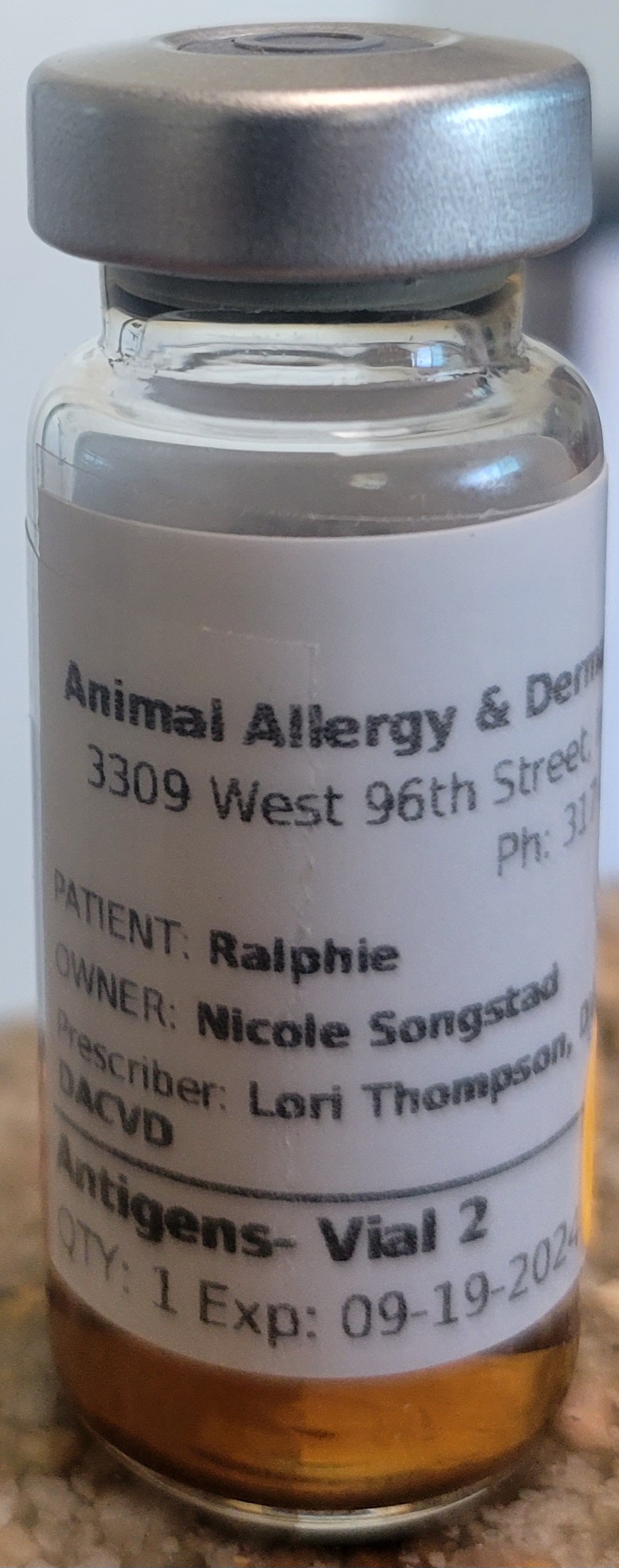
💠Allergy testing in dogs typically involves identifying specific allergens that may be causing adverse reactions. The process often begins with a consultation with a veterinarian, where the dog’s medical history and symptoms are discussed. To pinpoint the allergens, various testing methods may be employed, including blood tests or skin tests. Once the allergens are identified, a customized immunotherapy plan is developed. This plan may involve the creation of allergy antigen shots, also known as immunotherapy injections. These shots are formulated to contain small amounts of the identified allergens, gradually desensitizing the dog’s immune system over time. The process of creating an allergy antigen shot involves compounding the specific allergens into a solution tailored to the individual dog’s needs. These shots are administered under the supervision of a veterinarian, typically starting with a low concentration and gradually increasing as the dog builds tolerance. The goal is to reduce the severity of allergic reactions and improve the dog’s overall quality of life. Regular follow-up with the veterinarian is essential to monitor the dog’s progress and adjust the immunotherapy plan as needed.
💠View Immunotherapy Injections Image
🔷Apoquel
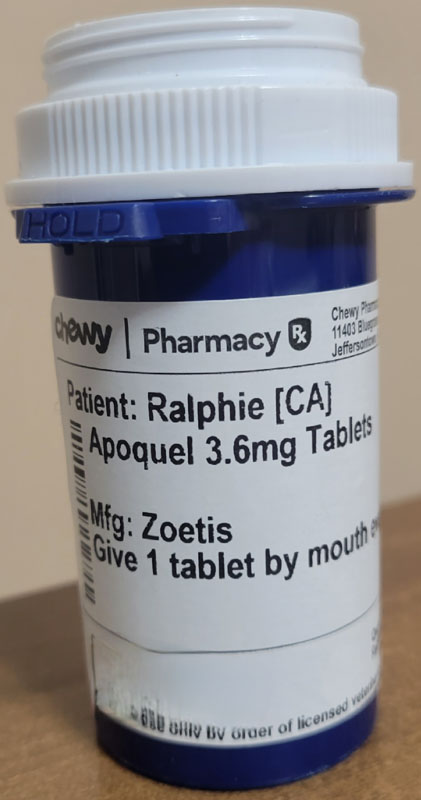
💠Apoquel and Cytopoint are two medications commonly used to manage allergies in dogs, though they function in different ways. Apoquel, containing oclacitinib as its active ingredient, is an oral medication that targets specific pathways in the immune system to alleviate itching and inflammation associated with allergic dermatitis. It provides rapid relief, often within a few hours, and is administered daily. Cytopoint, on the other hand, utilizes the monoclonal antibody lokivetmab, and it is given as an injection. Cytopoint works by neutralizing interleukin-31, a key protein involved in itching. The main advantage of Apoquel lies in its quick onset of action, making it suitable for immediate relief, while Cytopoint’s injection offers an extended period of efficacy, usually around 4-8 weeks. However, Apoquel requires daily administration, and there is potential for side effects such as increased susceptibility to infections. Cytopoint, being an injection, eliminates the need for daily pills but may cause localized injection site reactions. The choice between the two depends on the individual dog’s needs, preferences, and potential side effects, and a veterinarian’s guidance is crucial in making an informed decision.
🔷Amitriptyline
💠Amitriptyline is a tricyclic antidepressant commonly used in veterinary medicine to manage chronic allergies in dogs. While not a direct antihistamine, amitriptyline helps alleviate allergy-related symptoms by modifying the dog’s response to environmental triggers. It affects certain neurotransmitters in the brain, such as serotonin and norepinephrine, which can influence the perception of itchiness and reduce the sensation of discomfort associated with allergies. Amitriptyline is often prescribed in conjunction with other allergy management strategies. When used alongside Apoquel, which targets the immune response to reduce itching, the two medications can complement each other in providing comprehensive relief. Additionally, when allergy antigen shots are part of the treatment plan, amitriptyline may contribute to managing the behavioral aspects of allergies, such as excessive scratching or licking. The combination of these approaches aims to enhance the overall effectiveness of allergy management in dogs, addressing both the physiological and behavioral aspects of allergic reactions. As always, the specific treatment plan should be tailored to the individual dog’s needs and guided by the veterinarian’s expertise.