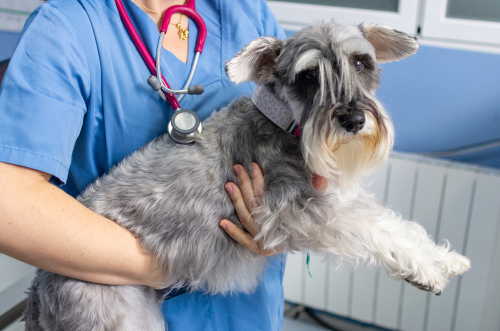
Health Conditions in Miniature Schnauzers
Miniature Schnauzers are prone to several health conditions that require attentive care. Pancreatitis, characterized by inflammation of the pancreas, is a concern for this breed. The condition can be triggered by high-fat diets, emphasizing the importance for owners to be cautious about their dog’s diet and avoid feeding them foods high in fat. Similarly, hyperlipidemia, an elevated level of fats in the blood, is another health risk for Miniature Schnauzers. Effective management involves monitoring their diet and ensuring it is low in fat to mitigate the risk of hyperlipidemia.
In addition to these concerns, Miniature Schnauzers are more susceptible to developing bladder stones, making it essential for owners to maintain a balanced diet for their dogs and ensure access to fresh water to help prevent the formation of stones. Dental issues, including periodontal disease, are common in this breed. Regular dental care practices, such as brushing their teeth and providing dental chews, contribute to maintaining good oral health. Furthermore, Miniature Schnauzers may experience hereditary eye conditions, such as cataracts and progressive retinal atrophy (PRA). Regular eye check-ups are recommended to monitor and address any potential issues in a timely manner.
Spinal disease in Miniature Schnauzers, while not as common as in some other breeds, can pose health concerns that require vigilance and proactive measures from pet owners. Spinal disease is a disease that affects the spinal cord in dogs, causing progressive muscle weakness and loss of coordination. Owners should be attentive to signs such as reluctance to move, changes in gait, or signs of pain. Regular veterinary check-ups are essential for early detection, allowing for timely intervention if any issues arise. Maintaining a healthy weight is crucial for minimizing stress on the spine, as excess weight can exacerbate the risk of Spinal disease. Additionally, providing a well-balanced diet, regular exercise to promote muscle strength, and avoiding activities that put undue strain on the spine are important preventive measures. Pet owners should work closely with their veterinarians to develop a tailored care plan, considering the individual health and lifestyle of their Miniature Schnauzer to ensure a happy and healthy life.
Allergies in Miniature Schnauzers can manifest as persistent skin issues, presenting challenges for both dogs and their owners. These allergies may be triggered by various environmental factors, such as pollen, dust mites, or certain foods. Common symptoms include excessive scratching, chewing, redness, and inflammation of the skin. The relationship between allergies and skin issues is significant, as the allergic reactions often target the skin, leading to discomfort for the dog. Owners should remain vigilant for signs of chronic allergies, seeking prompt veterinary attention if symptoms persist. Preventative measures may involve identifying and minimizing exposure to specific allergens, adjusting the dog’s diet, and incorporating regular grooming practices. Maintaining good skin health is crucial, and veterinarians may recommend specialized diets, allergy testing, or medications tailored to alleviate symptoms and enhance the overall well-being of Miniature Schnauzers prone to chronic allergies and associated skin problems.
🔷 Spinal disease is a spinal disease that can affect dogs, including Miniature Schnauzers. Spinal disease in dogs encompasses a range of conditions affecting the vertebral column, spinal cord, and associated structures. These disorders can lead to various neurological symptoms and impact a dog’s mobility and overall quality of life. One prevalent spinal ailment is Intervertebral Disc Disease (IVDD), a condition where the discs between the vertebrae degenerate, leading to compression of the spinal cord and nerve roots. Other spinal diseases may include infections, tumors, or trauma, each presenting unique challenges and requiring specific diagnostic and therapeutic approaches. As these conditions can manifest differently, early detection and appropriate veterinary intervention are crucial for managing spinal disease and improving the long-term prognosis for our canine companions. Pet owners should be observant of their dog’s behavior and seek veterinary attention if they notice any concerning signs related to mobility or discomfort.
🔷 Allergies in dogs, including Miniature Schnauzers, refer to prolonged and recurring hypersensitive reactions to various environmental or dietary triggers. These allergies often manifest in dermatological issues, affecting the skin and causing discomfort for the dog. Common symptoms include persistent itching, redness, inflammation, and sometimes even secondary skin infections. Allergens can range from pollen and dust mites to certain foods, and identifying the specific triggers is crucial for effective management. Chronic allergies may result in a cycle of itching and scratching, potentially leading to hair loss, open sores, and a compromised skin barrier. The relationship between allergies and skin problems is significant, as the immune system’s overreaction can impact the skin’s health. Veterinary diagnosis may involve allergy testing to pinpoint triggers, and management often includes dietary changes, allergen avoidance, medications like antihistamines or steroids, and, in severe cases, immunotherapy. Regular veterinary check-ups and proactive measures are essential to enhance the well-being of dogs prone to chronic allergies and associated skin issues.
🔷 Seizures in dogs are neurological events characterized by abnormal, excessive electrical activity in the brain. These episodes can manifest as involuntary movements, altered consciousness, and various sensory or motor disturbances. While the specific causes of seizures in dogs can vary, they may result from genetic factors, brain tumors, infections, or metabolic disorders. Witnessing a dog experiencing a seizure can be distressing for pet owners, highlighting the importance of understanding the underlying health condition. It’s essential for owners to work closely with veterinarians to diagnose the cause of seizures and establish appropriate management strategies tailored to the individual dog’s health profile.
🔷 Gastroenteropathy in dogs refers to a condition where the digestive tract undergoes irritation and swelling, impacting the normal functioning of the gastrointestinal system. Various factors can contribute to this condition, including infections, dietary indiscretions, food allergies, or inflammatory bowel disease. The symptoms of gastroenteropathy, ranging from mild discomfort to more severe issues such as vomiting, diarrhea, abdominal pain, and changes in appetite. Dogs experiencing gastroenteropathy may exhibit signs of lethargy, dehydration, or alterations in bowel habits. The condition can affect different parts of the digestive tract, including the stomach and intestines. Chronic inflammation may lead to long-term digestive problems if not addressed. Veterinary diagnosis typically involves a thorough examination, possibly including blood tests, imaging, or endoscopy, to identify the underlying cause. Treatment strategies often include dietary modifications, medications to reduce inflammation, and, in some cases, antibiotics. Pet owners play a crucial role in managing gastrointestinal inflammation by adhering to veterinary recommendations, providing a balanced diet, and monitoring their dog’s overall well-being. Regular veterinary check-ups help ensure early detection and intervention for optimal gastrointestinal health.
Useful Resources
• VCA: This website provides information on IVDD, covering its causes, symptoms, diagnosis, and treatment options.
• AAAAI: This website provides information about allergies and skin issues in dogs.
• WebMD: This website provides information on gastroenteropathy in dogs, covering causes, symptoms, and treatment options.